
The Worst of Winter
by Daniel Zehner
“April is the cruelest month.
The worst of winter is over,
the winds, the snow, the ice.
The hint of rebirth is there
but nothing happens.
My mother loved her gardens. She planted,
cultivated, and cared for the flowers. She
was known for them, so wonderful.
They were a cover crop for her madness.
There was a giant oak tree in the field next
to the gardens. We all marveled about it
as if it were a wonder of the natural world.
It became the scene of my dreams,
nightmares, always the same, the
wailing banshee wavering, hovering
near the tree. I had to remind myself
it was she who was mad, not I.
Why Poetry? What draws you to this form of creative expression?
I always wanted to be a writer growing up and throughout my adult life, but had a busy career as a trial lawyer and didn’t have much time for creative writing. I wrote descriptive sketches, short non-fiction pieces, outlines, notes for novels, and kept a journal. I wrote poems and. haiku for years because, honestly, it was all I had time for. Towards the end of my law career, I had the good fortune of meeting R. G “Bob“ Evans who agreed to read and critique my poems. He introduced me into the world of poetry in 2014 and I’ve pursued that path diligently since then. I fully retired from my long career in 2019.
Do you have a particular writing process or method for generating new poems? In other words, how do you go from all possible blank page to finished peace?
I wait until I receive inspiration for a poem before I sit down at my desk in front of a blank page to write. The inspiration can come from reading poem, a conversation with someone, some event, or thought that triggers a memory or observing nature. A poet friend, Warren Woessner, says that his ideas for poems “trickle down from the ether”. That’s true for me as well. Also, the generative workshops hosted by R. G. Evans that I’ve been attending monthly for over 10 years have been a fruitful source of inspiration. Relentless revisions are an important part of the process for me. And my wife, Roberta has become an invaluable first reader and unsparing critic. A poem starts with an image. The challenge is to discover the ending.
What poets/writers have influenced you? If you could met one (living or otherwise), who would it be?
For many years while I was still practicing law, I kept a copy of. “Leaves of Grass” and a book of poems and illustrations by William Blake on my bedside table and read them regularly at night before going to sleep. I suppose they have influenced me. Stephen Dunn, Emily Dickinson, and.R.G. Evans have influenced me. Bob has been kind and generous enough to have met with me from time to time to read and critique my poems.
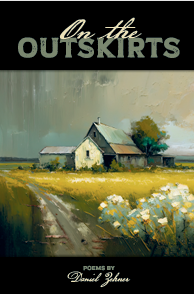
Your debut chapbook is coming in the fall (and is available for pre-order now). Tell us a little about On the Outskirts.
“On the Outskirts” contains poems that were written independently of one another over a 12- year period as the inspiration for each arose. Last year it occurred to me that there were quite a few poems that fit the theme of childhood trauma, recovery, and life beyond recovery so I put them together in a chapbook. The first poem in the book, “ The Worst of Winter,” refers to my mother’s “madness” which is the source of the trauma. The damage affected my ability to form meaningful relationships with others. Many of the poems highlight my recovery from that damage and the wonderful relationships I’ve been blessed to be part of in the later years of my life. I’m grateful to the publisher and editors of Finishing Line Press for accepting my manuscript for publication.
Before retirement, you were a lawyer. Does this work influence or make its way into your poetry?
Not yet, at least not that I am aware of. I did represent individuals who had been injured or damaged by others or who were facing criminal charges. Maybe there is a relationship to poetry. I did a lot of writing of motion papers and legal briefs so maybe that helped my poetry. I’ve recently written a persona poem about a famous trial lawyer I admired, and also a poem about a lawyer mentor I admired in the beginning of my career. (Both are pending decisions on publication.). Perhaps there is more to come on this front.
Where can readers pre-order your book? Keep up with your writing?
On the Outskirts can be ordered for a discount now at www. finishinglinepress.com. Go to “BOOKSTORES” and enter the name of the book in the search box or go to my website, www.danielzehnerpoet.com, and hit “publications”. I’m also on Facebook and LinkedIn.
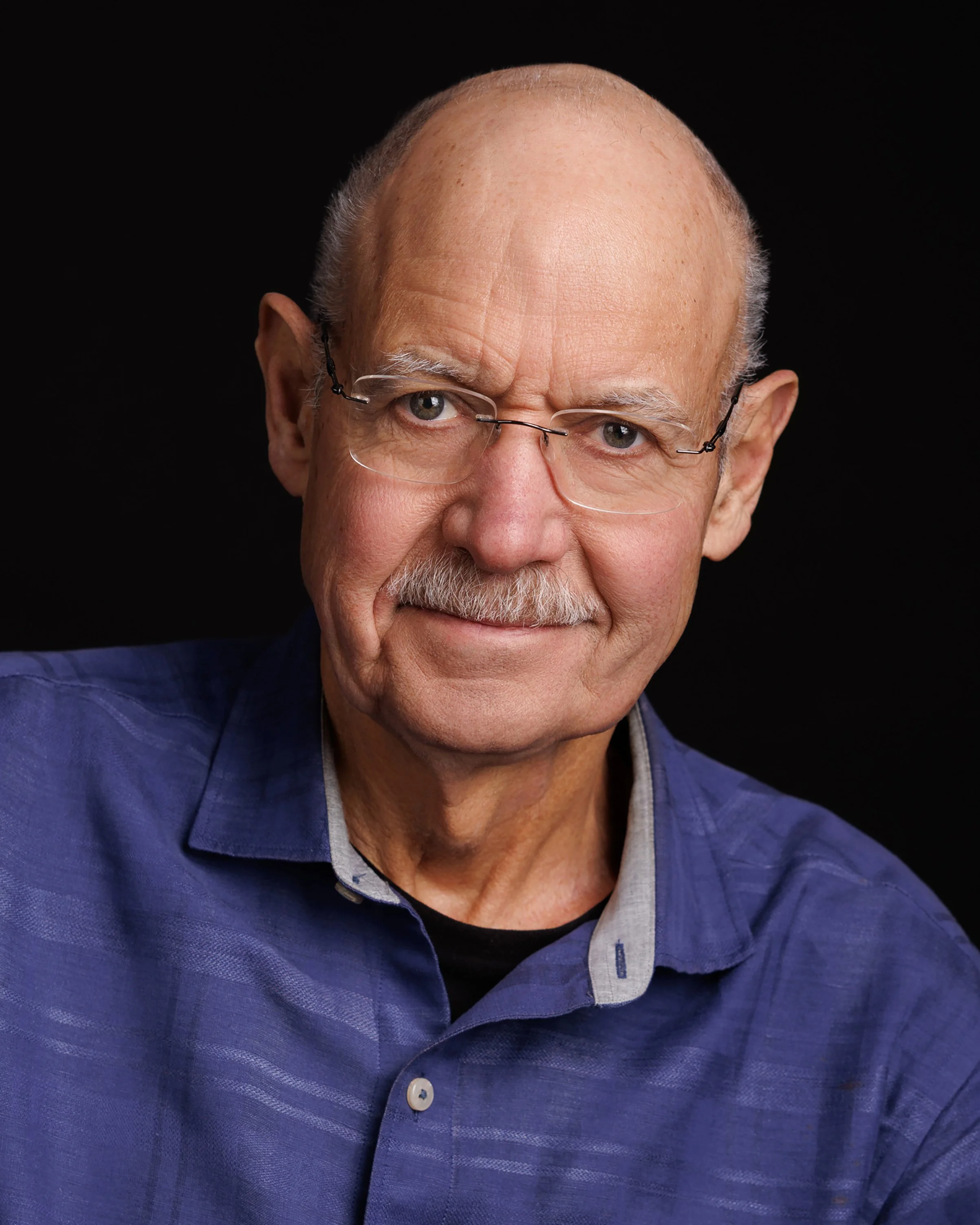
Daniel Zehner was born and raised in Salem County, New Jersey and attended Dartmouth College and Boston University School of Law. He served as a Judge Advocate General (JAG) officer in the military before returning to New Jersey where he engaged in the private practice of law as a civil and criminal trial attorney for many years before retiring. He devoted more time to poetry toward the end of his law career and have pursued it steadfastly since his retirement. He had the good fortune of having met a master poet towards the end of his law career who became a mentor and introduced him to the world of poetry. He has had poems and haiku published in Paterson Literary Review, Schuylkill Valley Journal, The Main Street Rag, Lips, the Aurorean, New Jersey Bards Poetry Review, US 1 Worksheets, Frogpond, several Haiku Society of America Members’ Anthologies,and many Moonstone Arts Center anthologies. He recently received an Honorable Mention in the 2025 Allen Ginsberg Poetry Awards sponsored by the Poetry Center at Passaic County Community College and has a poem included in Speaking For Everyone, An Anthology of “We” Poems edited by Eric Greinke. He recently had a collection of poems entitled On the Outskirts accepted for publication by Finishing Line Press due for release in October 2026.
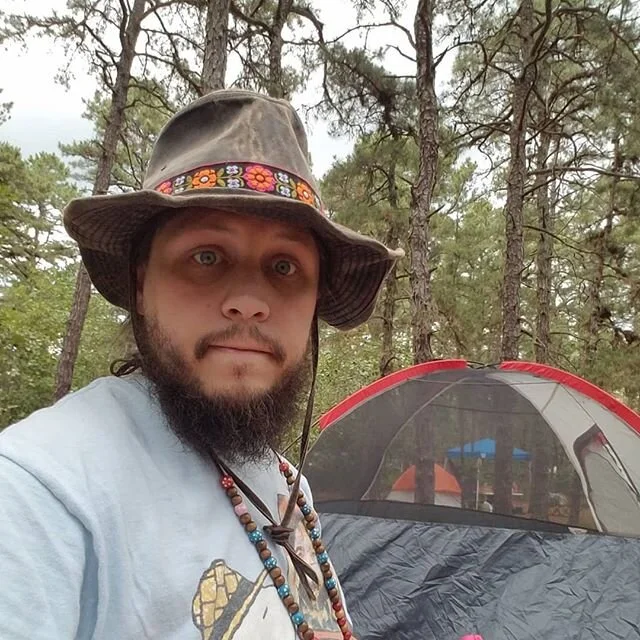
John Wojtowicz grew up working on his family’s azalea and rhododendron nursery in the backwoods of what Ginsberg dubbed “nowhere Zen New Jersey.” Currently, he works as a licensed clinical social worker and adjunct professor. He has been featured on Rowan University’s Writer’s Roundtable on 89.7 WGLS-FM and several of his poems were chosen to be exhibited in Princeton University's 2021 Unique Minds: Creative Voices art show at the Lewis Center for the Arts. He has been nominated 3x for a Pushcart Prize and serves as the Local Lyrics contributor for The Mad Poets Society Blog. His debut chapbook Roadside Oddities: A Poetic Guide to American Oddities was released in early 2022 and can be purchased at www.johnwojtowicz.com. He recently published No Lightsabers in the Kitchen. John lives with his wife and two children in Upper Deerfield, NJ.