
Profession: Poet is a new monthly blog feature exploring craft and identity in poetry by Hanoch Guy, who writes poems in both English and Hebrew.

The Treasures of Poetry
The year was1959 and I was a freshman at the University of Jerusalem. Standing in line at the bookstore, I noticed a small faded booklet on the floor. I offered to pay but the cashier said it was free because of its poor condition.
The book was Shelley’s A Defence of Poetry.
For me, it was an amazing reading.
The treatise was written a year before the poet’s death.
Shelly argues that poetry helps to advance civilization.
A poem is the very image of life expressed in its eternal truth.
Poetry is utilitarian, as it cultivates civilization by “awakening and enlarging the mind itself by rendering it the receptacle of a thousand combinations of thought.”
Poetry lifts the veil from the hidden beauty of the world.
Shelley exalts poetry as part of the Romantic movement in the context of his elite education and immersion in classical poetry. He does not explain why poetry needs to be defended.
It is the pursuit of beauty.
Poetry is the experiencing of the rainbow of emotions.
Poetry turns everything to loveliness.
It merges the eternal with change.
Poetry reveals the happiest moments.
What would the world be without Shakespeare, Dante, or the translation of Hebrew poetry?
You could make arguments against poetry.
For example, Shelley presents an idealized concept of lofty poetry that may not be accessible or appreciated.
Also, you can argue that poetry:
presents nothing of utility
consumes time
causes frustration
proves too difficult.
We should consider that Shelley reflected and idealized the state of poetry five hundred years ago. Since then poetry has changed in content, technique, and presentation. Today, there is less emphasis on the classics and more on opening up a vast array of ideas.
For more on treasures of poetry, you can take a look at my previous four blogs.
I would like to broaden the discussion of poetry and its place in the world.
Looking at this poem below that I based on a Lea Goldberg poem, we can ask ourselves what function poetry serves in the world.
what shall we do with
dead stars
rusted screws and locks
hopeless optimists
wild rams
killer wasps
thorns scorpions and snakes
Sahara sandstorms
stupidity
feather clouds
love
and poetry?
I welcome your comments and feedback. What do you think poetry’s function and role is in the world?
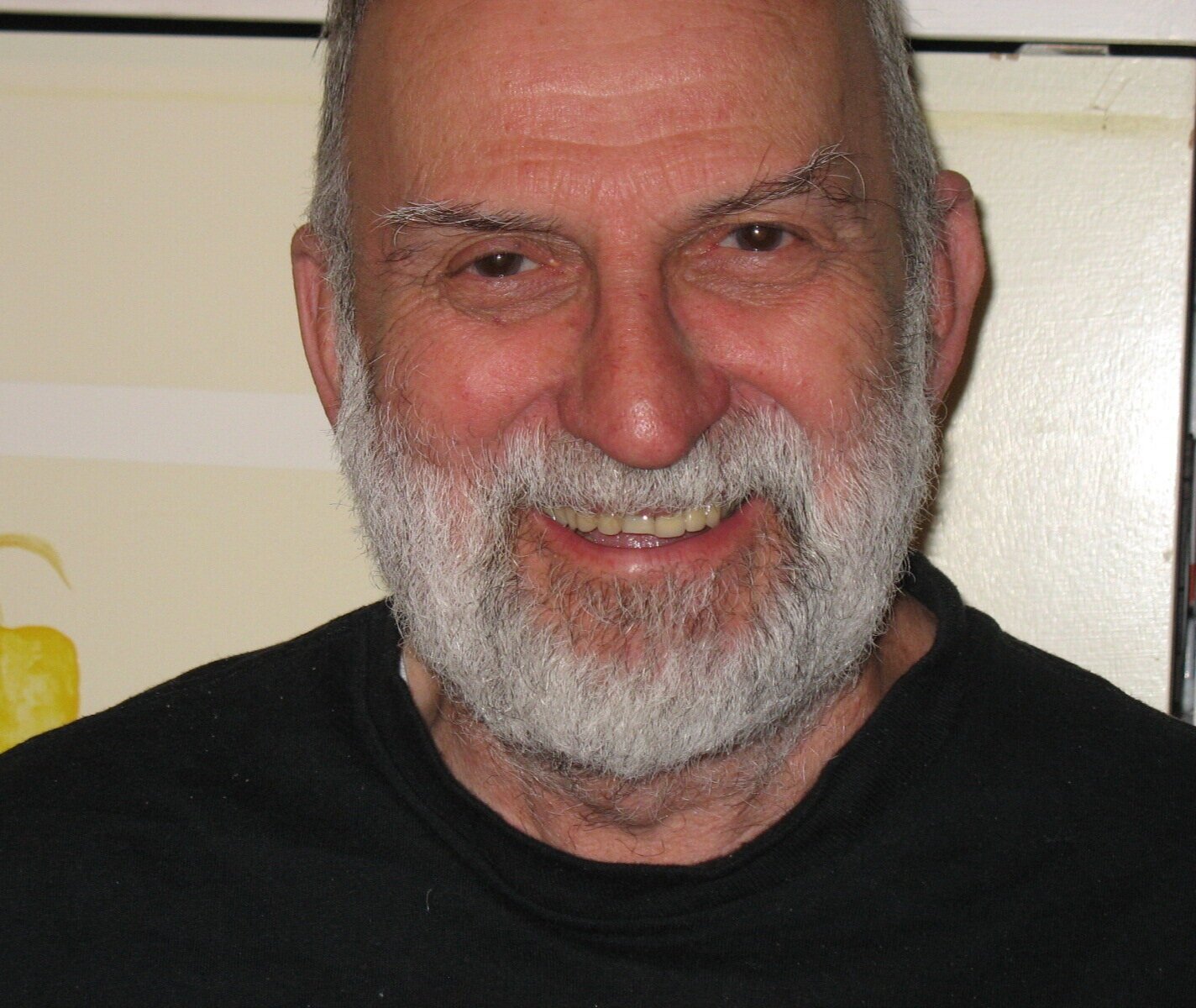
Hanoch Guy Ph.D, Ed.D spent his childhood and youth in Israel. He is a bilingual poet in Hebrew and English. Hanoch has taught Jewish Hebrew literature at Temple University and poetry and mentoring at the Muse House Center. He won awards in the Mad Poets Society, Phila Poets, Poetry Super Highway and first prize in the Better than Starbucks haiku contest. His book, Terra Treblinka, is a finalist in the North Book Contest. Hanoch published poems in England, Wales, Israel, the U.S., and Greece. He is the author of nine poetry collections in English and one Hebrew book.
